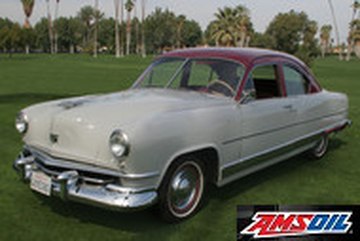
Lubrication Maintenance for the 1981 Mercury CAPRI 3.3L
Maintaining the mechanical integrity of a vehicle like the 1981 Mercury CAPRI with its 3.3L engine requires a disciplined approach to fluid management and routine inspections. As vehicles age, the importance of high-quality lubrication and consistent monitoring increases. Proper care ensures that internal components remain protected against friction and thermal stress, which is essential for long-term operational stability.
Monitoring Fluid Integrity and Potential Leaks
One of the most effective ways to monitor the health of the 3.3L engine is through regular visual inspections of the engine bay and under the vehicle. Owners should look for any signs of fluid seepage or active leaks that might indicate a compromise in various gaskets or seals. Even small amounts of oil appearing on the surface of the engine block or dripping onto the driveway can be early indicators that something requires attention.
When conducting these inspections, it is helpful to check several areas:
- Sealing Surfaces: Inspect where different engine components meet to look for oily residue.
- Drain Areas: Check the area around the oil drain plug and the filter mounting area for signs of weeping or past spills that may have accumulated dirt.
- Under-Vehicle Inspection: Periodically check the ground beneath the vehicle after it has been parked for an extended period to identify any slow, persistent leaks.
If you notice a change in the appearance of the oil—such as a significant darkening or a gritty texture—this may warrant further investigation into the engine's current operating condition and maintenance history.
Observing Changes in Engine Behavior
Beyond visual inspections, paying close attention to how the vehicle operates can provide valuable clues regarding its lubrication needs. While symptoms do not always point to a single specific cause, certain changes should never be ignored. For instance, an unusual mechanical noise that occurs during startup or while the engine is idling may be associated with lubrication issues.
Similarly, if you notice an increase in how often you need to check or add fluids, this could indicate that the engine is consuming more lubricant than usual. Such changes can be caused by various factors, ranging from aging seals to changes in operating temperature. If any unexpected smoke is observed coming from the exhaust, it should be investigated promptly to determine the underlying cause.
It is important to remember that many different mechanical issues can present similar symptoms. Rather than attempting a self-diagnosis, observing these signs and bringing them to the attention of a professional can prevent minor concerns from developing into more significant mechanical problems.
Prioritizing Maintenance Based on Current Condition
For an owner of a 1981 Mercury CAPRI, effective maintenance is often about prioritizing tasks based on the actual state of the vehicle rather than relying solely on its age. If you are stepping into ownership with incomplete service records, establishing a baseline is a logical first step. This involves performing a thorough inspection of all fluids and checking for any immediate signs of neglect or overdue service.
When managing maintenance priorities, consider the following approach:
- Address Active Concerns First: If there are visible leaks or noticeable changes in engine sound, these should take precedence over general preventive tasks.
- Review Service History: Whenever possible, look for documentation regarding previous oil changes, filter replacements, and other major service items to understand the vehicle's maintenance patterns.
- Monitor Fluid Consumption: If the vehicle has a history of consuming more oil than expected, frequent level checks should become a standard part of your routine.
By focusing on the current condition of the 3.3L engine, you can make informed decisions about where to allocate time and resources, ensuring that the most critical needs are met first.
Managing Aging Engine Components
As a vehicle reaches several decades of age, certain components naturally undergo changes due to heat cycles and environmental exposure. For the 1981 Mercury CAPRI, this means being mindful of aging materials. If equipped, inspect accessible drive belts for signs of cracking, glazing, or fraying. Similarly, if the vehicle is present with rubber hoses, check them for excessive softness, hardening, or visible cracks.
Electrical connections and wiring should also be inspected periodically. Over time, insulation can become brittle, and connectors may develop corrosion, which can affect the overall reliability of engine systems. Maintaining a clean environment within the engine bay by removing accumulated debris can also help prevent unnecessary heat buildup and reduce the risk of moisture retention on sensitive components.
The Role of Consistent Lubrication
Engine oil performs several vital roles that are necessary for the continued operation of the 3.3L engine. Beyond simply reducing friction between moving parts, it plays a significant role in managing the heat generated during combustion and operation. It also helps to carry away contaminants and small particles that can accumulate within the engine environment.
Regularly replacing the oil and filter ensures that these protective qualities are maintained. Over time, even high-quality lubricants can lose their effectiveness due to thermal breakdown or contamination from combustion byproducts. By adhering to a consistent service routine, you ensure that the engine always has access to fresh lubricant capable of providing the necessary protection against wear and deposit buildup.
Practical Advice for BUYING ENGINE OIL for your 1981 Mercury CAPRI 3.3L
When it is time to replenish your engine's lubrication, the most important step is to ensure that the product you select matches the specific requirements of your vehicle. For this 1981 Mercury CAPRI 3.3L, do not rely on general automotive knowledge or assumptions based on the age of the car to determine which oil to use.
Instead, match the engine oil to the application-specific viscosity information already displayed on this webpage. Before making a purchase, carefully check the product labeling to verify that it meets the necessary quality standards and certifications. Depending on your specific needs and the current condition of your engine, you may encounter various options, including:
- Conventional Formulations: Standard mineral-based oils.
- Synthetic Blends: A mixture of conventional and synthetic oils.
- Full Synthetic Oils: Highly engineered lubricants designed for specific performance characteristics.
- High-Mileage Formulations: Some formulations contain additives intended for use in aging engines, including seal-conditioning additives.
Always prioritize the viscosity and application details provided in the technical information above to ensure your 3.3L engine receives the correct lubrication for its design.